How to choose the Perfect Pattern
Choosing the perfect pattern for your product or packaging can feel overwhelming. Your brain goes into overdrive, and just like most of us in this overly-anxious world, you overthink it until you've confused yourself into paralysis.
But here's the thing: it doesn't have to be that hard.
Below, you'll find the key questions to ask yourself when choosing a pattern for your product - questions that will help you find the perfect fit for your brand without the mental spiral.
Part 1: How to choose the perfect pattern
The Core Questions to Ask
1. What feeling do you want this pattern to evoke?
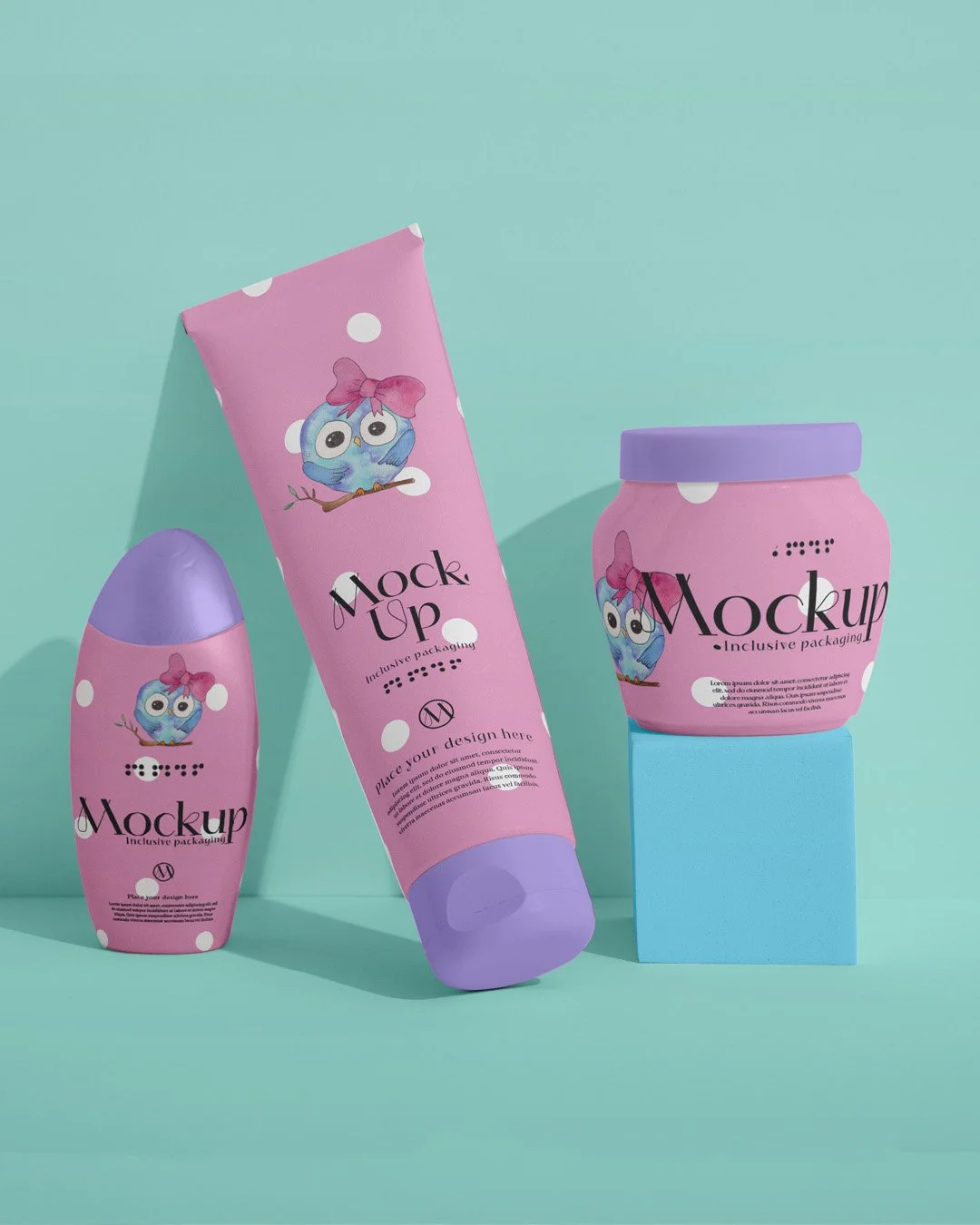
Look, choosing a pattern because "it's pretty" should be totally valid. I'm not here to tell you pretty doesn't matter - it absolutely does. But there's more to consider.
What emotion or vibe does your product need to communicate? Are you releasing a kids' skincare range (fun, bubbly, playful)? Or a skincare line targeting an older demographic (reserved, sophisticated, maybe leaning into that "luxe" feel)?
Now, don't get me wrong - fun and bubbly can absolutely work for an older audience too. We just need to get really clear on what emotional pull you're going for. What do you want people to feel when they see your product on the shelf?
2. Who is your customer, and what do they respond to?
If you're a brand that typically sells alternative fashion and your customers love that aesthetic, it's probably not a good idea to suddenly slap a kawaii or soft-girl pattern on your products. You might gain a few new customers, but you'll be burning bridges with your loyal repeat buyers if your new product ranges feel completely off-brand.
Your audience has come to you for a reason. Honor that. Ask yourself: What aesthetic do they gravitate toward? What patterns would make them stop scrolling and say, "That's so me"?
3. Where will this pattern live, and how will it be printed?
This is huge. Where your pattern lives and how it gets printed matters just as much as the design itself.
Let's say you found a bold, all-over repeat pattern and you want to put it on a t-shirt. That works beautifully for some brands - think resort wear, maximalist vibes, patterns everywhere. But if that's not your brand's aesthetic, this design might not be the right fit as is.
Here's the good news: that doesn't mean you have to discard the design entirely. Maybe you take one motif from that bold pattern - a single flower, for example - and place it on the back of your shirt with an inspirational hand-lettered quote. Suddenly, it fits your brand perfectly and resonates with your customers.
Remember: if you see something you like, it's always worth asking the designer if they can tweak it to suit your needs.
Now, the second part of this question: How will this be printed?
If your printer uses screen printing (great for limited color palettes and vector designs), a hand-painted watercolor pattern might lose its magic - all those transparent layers and subtle color shifts disappear. That type of design needs digital printing to shine.
Not sure what printing method your manufacturer uses? Ask before you buy the pattern. It'll save you headaches (and money) later.
4. What scale do you need?
Now that you've identified what kind of pattern you're looking for, let's talk size.
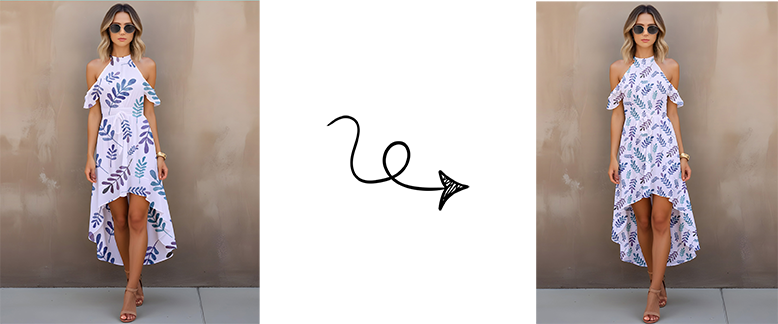
Although many manufacturers can scale designs for you, it's best practice to provide a file that's already the right size - especially if you're enlarging, because that can leave your product looking grainy and cheap (and nobody wants that).
Scale also matters in context. A 30cm flower might look stunning on bedsheets but completely overwhelming on candle packaging. Think about the relationship between the pattern's scale and the product it's going on.
5. Does this pattern work with your existing brand and product line?
This ties into the questions we've already covered, but it's important enough to call out on its own.
As a product-based business owner, it's vital that your new product aligns with your branding. This is how your customers recognize you. This is how you build brand loyalty. If they know they can find the style they love when they shop with you, they'll keep coming back.
Also consider: Are you using multiple patterns from different designers in this product range? How cohesively do they work together? Does one pattern outshine the others, or do they complement each other beautifully?
Practical Considerations
How versatile does the pattern need to be?
Will this pattern live on one product, or will it span an entire collection?
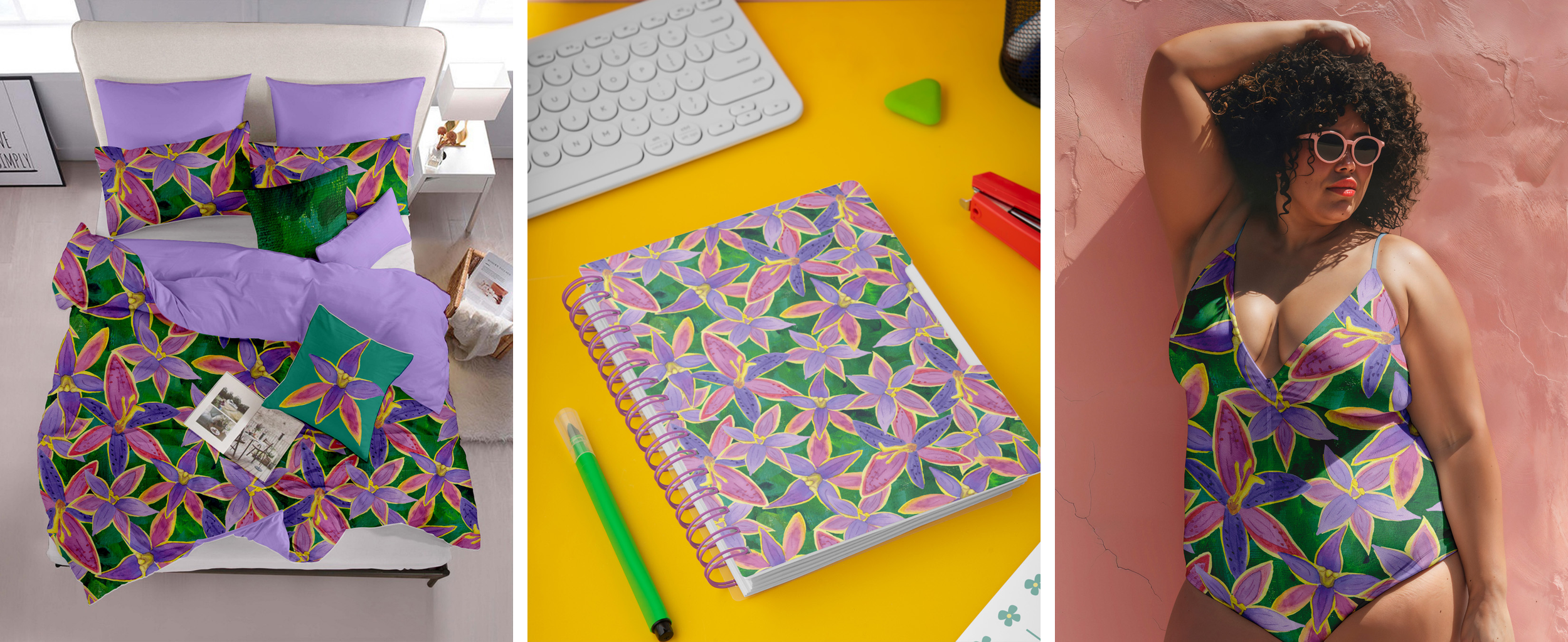
There's a big difference between choosing a pattern for a single dress versus an entire homewares line. If you're planning to use it across candles, tote bags, jewelry dishes, and tea towels, you need to make sure it's versatile enough to work across all those applications.
Does the colour palette align with your brand or offer flexibility?
Think about your brand as a whole. What colors define your visual identity?
If you run a coastal-inspired brand with a color palette of blues, sandy browns, and warm reds, a bright summer pattern featuring lemons and limes might not align with your usual vibe (even if it's adorable).
The good news? Many patterns come in different colorways, or designers can recolor them for you. This gives you flexibility within your collection while still maintaining cohesive design.
What's your goal: timeless or trendy?
Are you designing products meant to be loved for years, or are you jumping on a current trend?
Timeless patterns are versatile across seasons and spaces. They're often more simple, minimalistic, and neutral in color. That said, timeless doesn't always mean boring - classic florals, coastal vibes, and nature-inspired designs in a range of colors can still feel timeless.
Trendy patterns lean into what's hot right now. Remember when bows were everywhere in 2025? Every product, every piece of clothing, bows on everything. That's the kind of trend that burns bright and fast. If you launched a bow-heavy product line in late 2025, you might already be sitting on inventory that feels dated. These can be incredibly lucrative if you move fast, but trends come and go quicker than they used to. You need to jump on them while they're relevant.
Can you (or your customers) still love this in 6 months? A year?
As people become more conscious about overconsumption, it's worth choosing designs that have staying power.
Can this pattern be used all year round and still feel fresh? If it's seasonal, will it hold up when that season comes around again next year? Longevity matters - both for your brand and for the planet
The “Gut Check”
Does this pattern make you FEEL something when you look at it?
When you first saw the pattern you think is perfect for your product, did it make you feel something beyond "it's pretty"?
This is a major indicator of whether it will connect with your customers.
Artists weave a piece of themselves into every motif they create. Do you see the joy? The love? The excitement? The nostalgia? If a pattern doesn't make you feel something, it probably won't make your customers feel anything either.
Can you picture it on your products immediately?
This is a really good sign that the pattern was made for you.
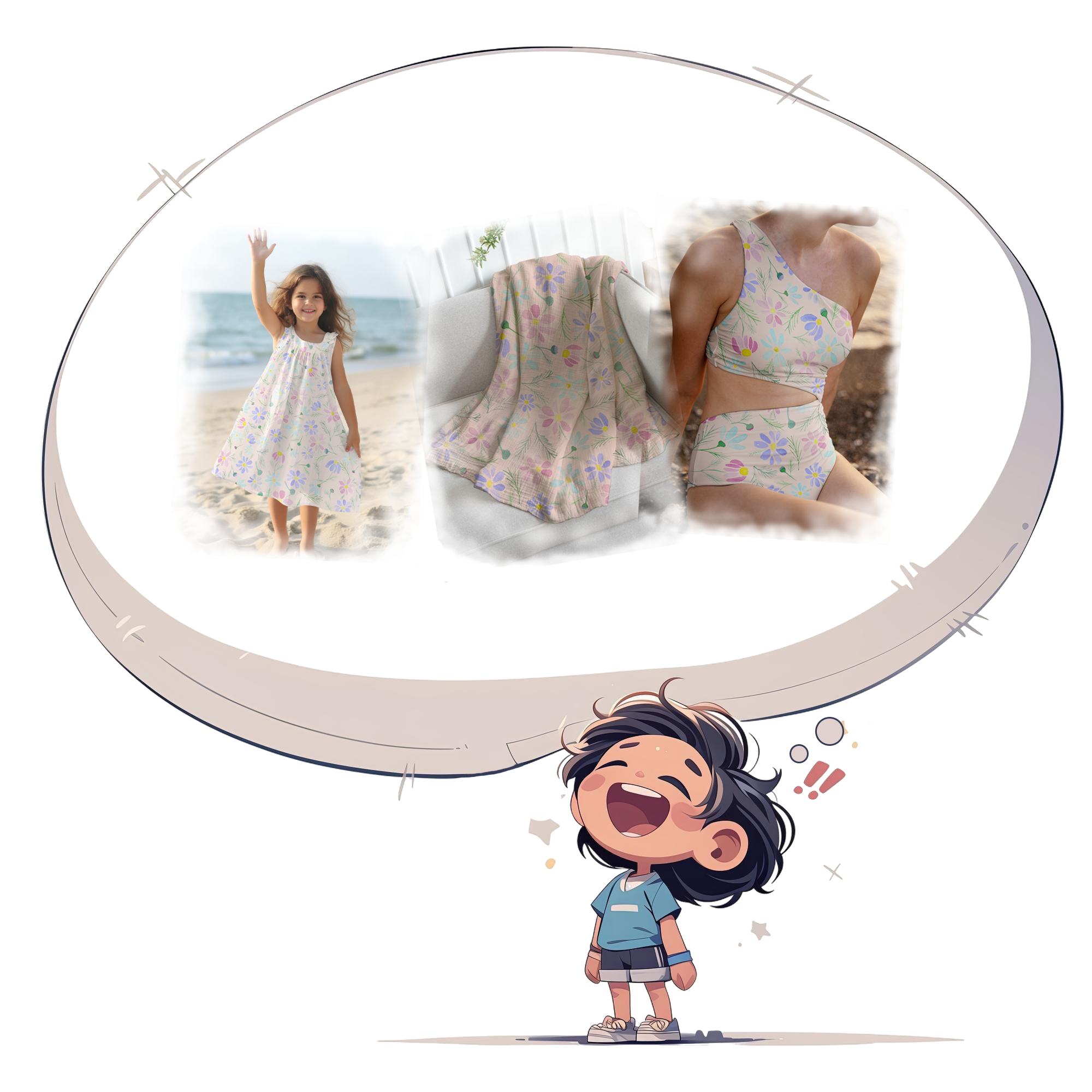
Some patterns just feel like home. They immediately resonate with you, they align with your brand and your customers, and they scream "BUY ME!"
Now, this isn't always the case. Sometimes something needs tweaking - a color adjusted, a scale shifted - and that's okay too. Some things just need a little time to grow on you.
Pro tip: Revisit patterns you previously thought weren't quite right. Depending on the season (in life and in your business), something that didn't work six months ago might be perfect now as your business evolves, trends shift, and you grow into new directions.
Does the pattern tell a story that aligns with your brand values?
This one's big for me.
Patterns aren't just decoration - they're storytelling tools. Does this pattern communicate the values your brand stands for? Does it reflect the message you want to send to your customers?
If your brand is all about slow living and sustainability, a chaotic, high-energy pattern might feel off. If your brand celebrates boldness and breaking the mold, a safe, neutral pattern might not hit the mark.
Your pattern should feel like an extension of your brand's voice. If it doesn't, keep looking.
Part 2: Why Human-Made Matters
Okay, now that we've covered how to choose a pattern, let's talk about where you're getting your patterns from - and why it matters more than you might think.
The Rise of AI-Generated Art
AI-generated art has exploded in the last few years. It's fast, it's accessible, and it's everywhere.
And look - AI has its place. It's a tool, and like any tool, it can be used thoughtfully or carelessly.
But here's what's worth understanding: AI-generated patterns are created by training algorithms on massive datasets of existing artwork. The technology analyzes patterns, styles, and compositions from countless images to generate something "new."
The challenge? Much of this training data includes work from artists who never consented to their creations being used this way. And while the output might look polished, it often lacks something crucial when it comes to product design: intentionality and connection.
Why Human-Made Patterns Work Better for Products
This isn't about AI being "bad" - it's about what works best when you're creating products meant to connect with real people.
When you choose a pattern from a human artist for your products, here's what you're getting:
Intentionality – Every decision is purposeful. The colour palette, the scale, the composition, the way the motifs interact - it's all deliberate. There's thought behind every choice, not just algorithmic output.
Originality – Human-made patterns come from a real person's inspiration and creative process. They're not combinations of existing styles, they're genuinely new expressions.
Story – There's a real person behind the design, with real inspiration woven into the work. That story adds depth to your products and gives you something meaningful to share with your customers.
Refinement – Humans iterate. We test, we tweak, we notice when something feels off and we fix it. We understand context in ways AI doesn't - like how a pattern will actually look on different materials or at different scales.
Connection – When you buy from a human artist, you're supporting a real person's livelihood and contributing to a creative economy. Your customers increasingly care about this.
Making Conscious Choices
Here's the thing: not all AI use is the same, and not all human-made work is automatically better.
But when it comes to patterns for your products - things your customers will see, touch, and connect with - the human element matters.
And consumers are noticing. In fact, hand-drawn and human-made design is one of the biggest trends for 2026. According to Adobe's 2024 Creative Trends Report, there's been a 30 per cent rise in searches for hand-drawn and imperfect design elements. Multiple design trend reports from Creative Bloq, Kittl, and Digital Synopsis all identify the same shift: designers and consumers are craving authenticity, imperfection, and proof that a real human made this.
As Creative Bloq put it: "Illustration is pushing back against AI polish with human warmth, wonky charm and storytelling swagger."
This isn't just a design trend - it's a cultural shift. People want to connect with the humans behind the products they buy. They want stories, intention, and authenticity. And when it comes to patterns, that means choosing work created by real artists.
What to look for when choosing patterns:
Artist/designer information – Is there a real person attached to this work? Do they have a portfolio, a story, an about page? Transparency matters.
Process content – Do they show behind-the-scenes of their work? Sketches, work-in-progress shots, design decisions? This shows genuine creative process.
Consistent artistic voice – This doesn't mean every pattern looks identical. A human artist might work in different styles (loose watercolour, tight outlines, bold graphics) but there's usually a recognisable perspective or approach across their work. AI-generated work often lacks this cohesive identity.
Intentional design choices – Can the artist explain why they made specific choices? Human designers can tell you why they chose certain colours, scales, or compositions. That intentionality shows in the final product.
Why It Matters for Your Products
Your customers are becoming more conscious about where products come from - and that includes design.
Being able to say "designed by a human artist" isn't just a nice-to-have. It's a value that resonates with people who care about supporting real creators, ethical practices, and meaningful work.
Beyond that, patterns created with intention, story, and human understanding simply work better for products meant to connect with people. There's a depth and thoughtfulness that comes through - even if your customers can't articulate exactly why one pattern feels more "right" than another.
You don't have to be anti-AI to choose human-made. You just have to be intentional about what works best for your products and your customers.
And when it comes to patterns that will represent your brand, tell your story, and create emotional connection? Human-made wins.
Final Thoughts
Choosing the right pattern doesn't have to be overwhelming. Ask yourself the right questions, trust your gut, and choose patterns made by real humans who care about their craft.
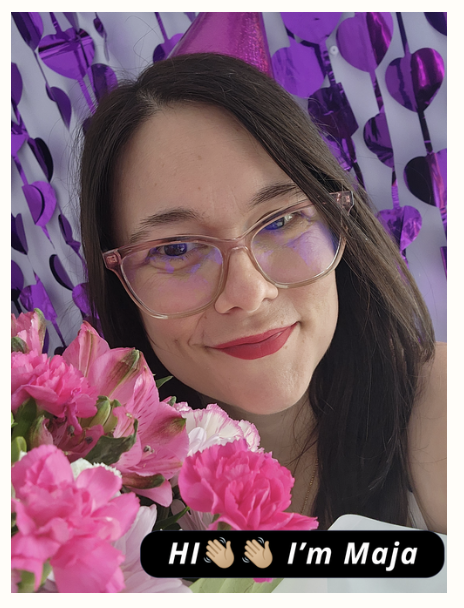
Every pattern in the my pattern library is hand-designed by me - a real person with real inspiration behind every motif, every colour choice, every decision. You can see my process, my story, and the intention woven into each design.
If you're ready to explore patterns made with care, patterns that mean something, patterns that will resonate with your customers on a deeper level - head to the library. I think you'll find something that feels like it was made just for you.
Because honestly? It probably was.
Ready to find your perfect pattern? Explore the Pattern Library →
What questions do you ask yourself when choosing patterns for your products? I'd love to hear what matters most to you - drop a comment below or send me a message
Check out what is happening on Instagram…